We cut rock and concrete.From one side.
When one small piece has to come out,and everything around it has to stay.
- Patented in Norway. Patent pending internationally.
Working with the industry




What it is
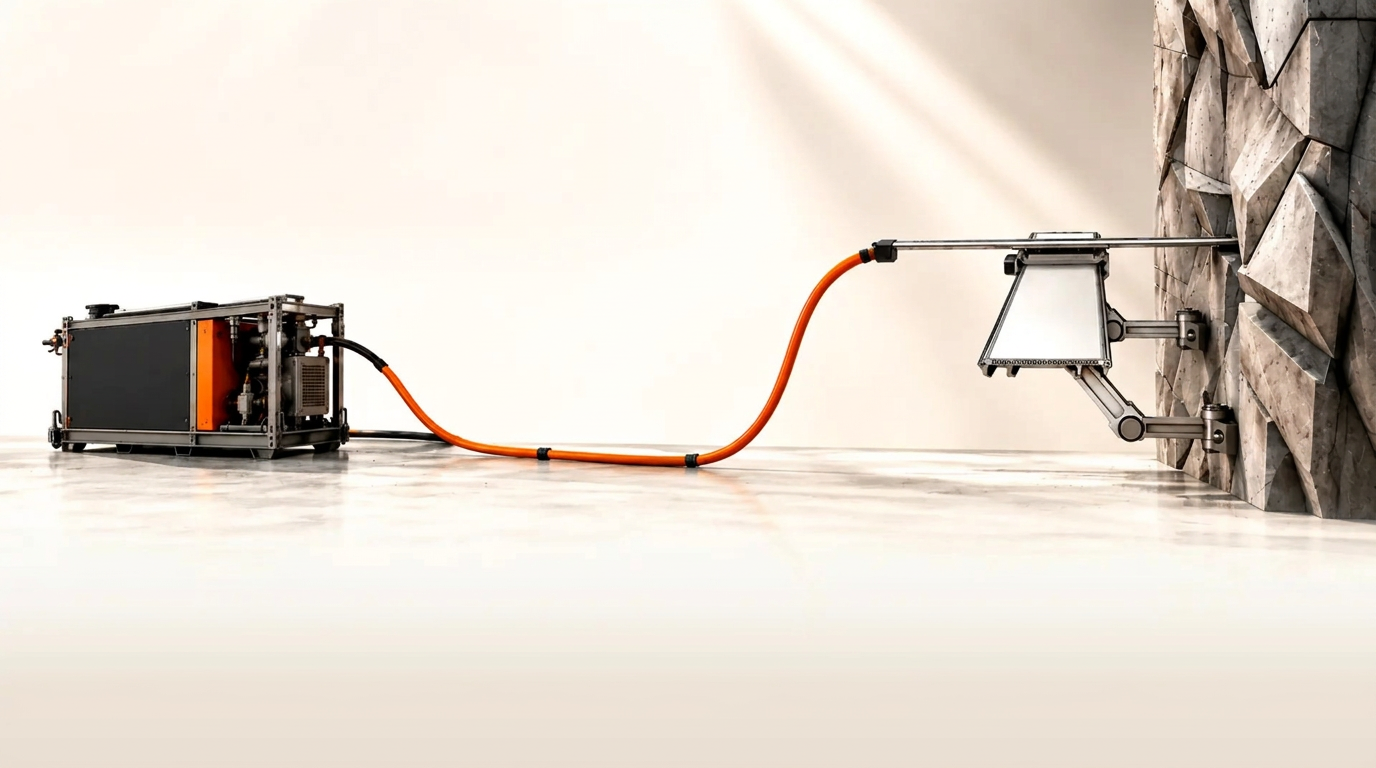
The blade cuts the material. The water drives the blade.
A pump outside sends water down a slender arm and spins a diamond blade. As it cuts, the head turns, so the arm can follow the blade into the cut. Everything works from one side.
The everyday problem
A small removal can become a big operation.
Before anything comes out, the team has to reach the cut, protect what stays, release the material and lift it out.
Retaining wall
A new opening in a wall that holds back the ground.
Foundation
Old concrete in the way of something new.
Tunnel
Room for new equipment, next to cables that must stay.
Building
A new shaft or doorway in a building still in use.
Often, the expensive part isn't what comes out. It's everything around it that can't be touched.
The everyday problem
How it's done today
Each one takes the same four steps. The cut is only one of them.
- 01Reach the cutGet people and tools in, often through tight space.
- 02Protect what staysShield the cables, machines and structures nearby.
- 03The cutMake the cutCut the section free without damaging what's around it.
- 04Lift it outGet the piece out through the same tight space.
Today's methods
Saws, wire saws, drills, breakers and blasting all work well on many jobs. The hard part is using them where access is tight and what's around the cut must be protected.
Evidence so far
Built and tested. Now heading into the field.
Successive prototypes have cut rock and concrete on our test rig. Our prototype has cut 50 cm into stone, with the arm following the blade into the cut. It is built to go deeper than one metre.
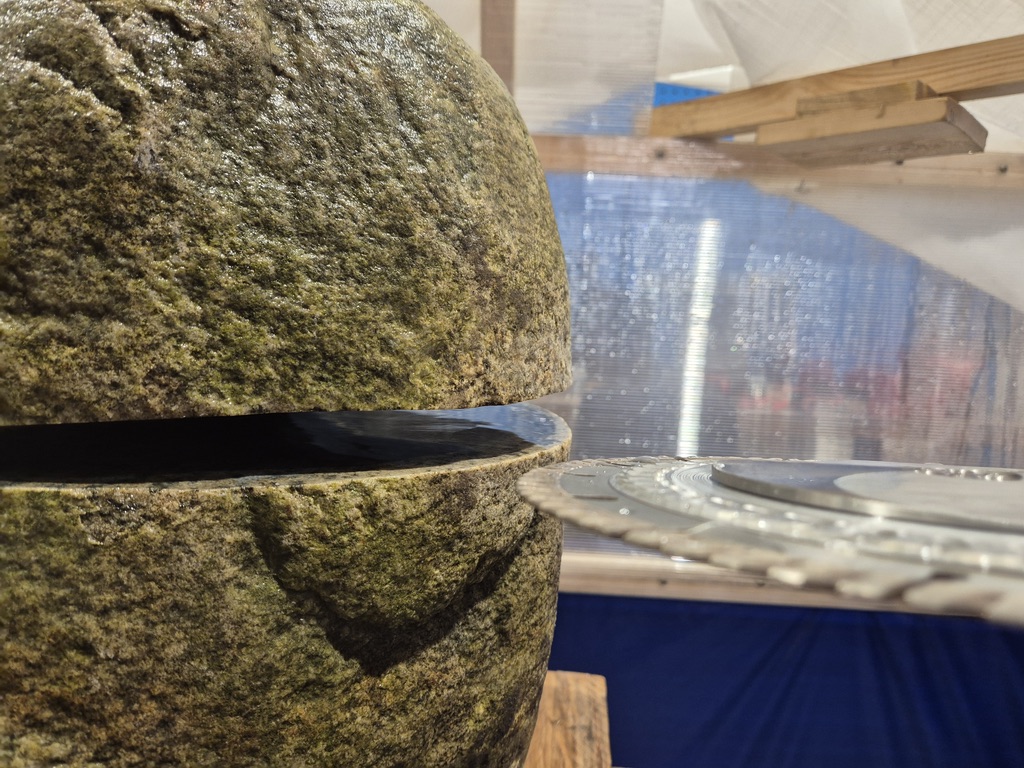
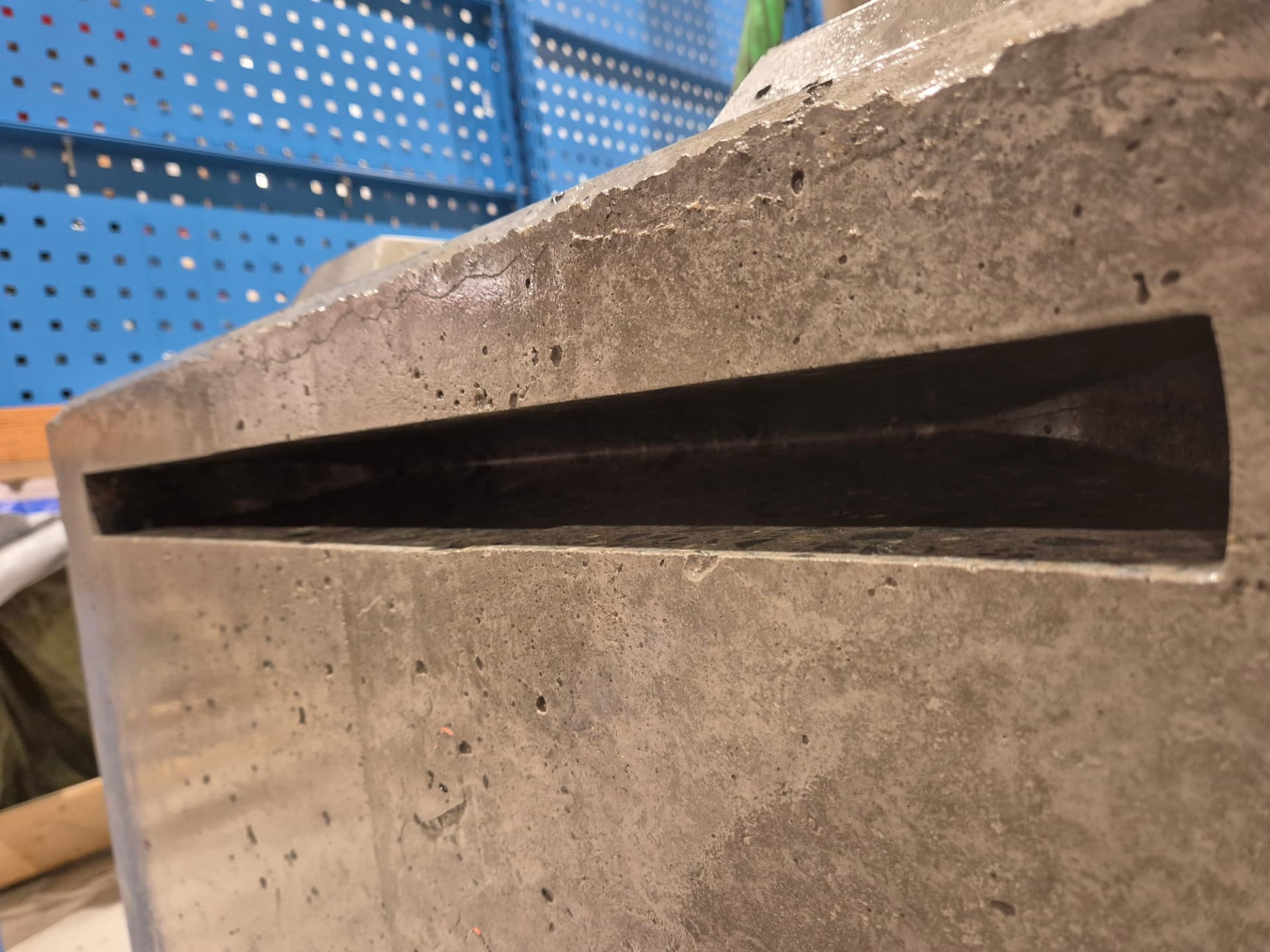
- Tested
Cutting rock and concrete with successive prototypes.
- In progress
Head, arm, drive, mounting, controls and pump into one working system.
- Ahead
A first field pilot at Evanger, planned with Eviny and Mesta.
Where we start
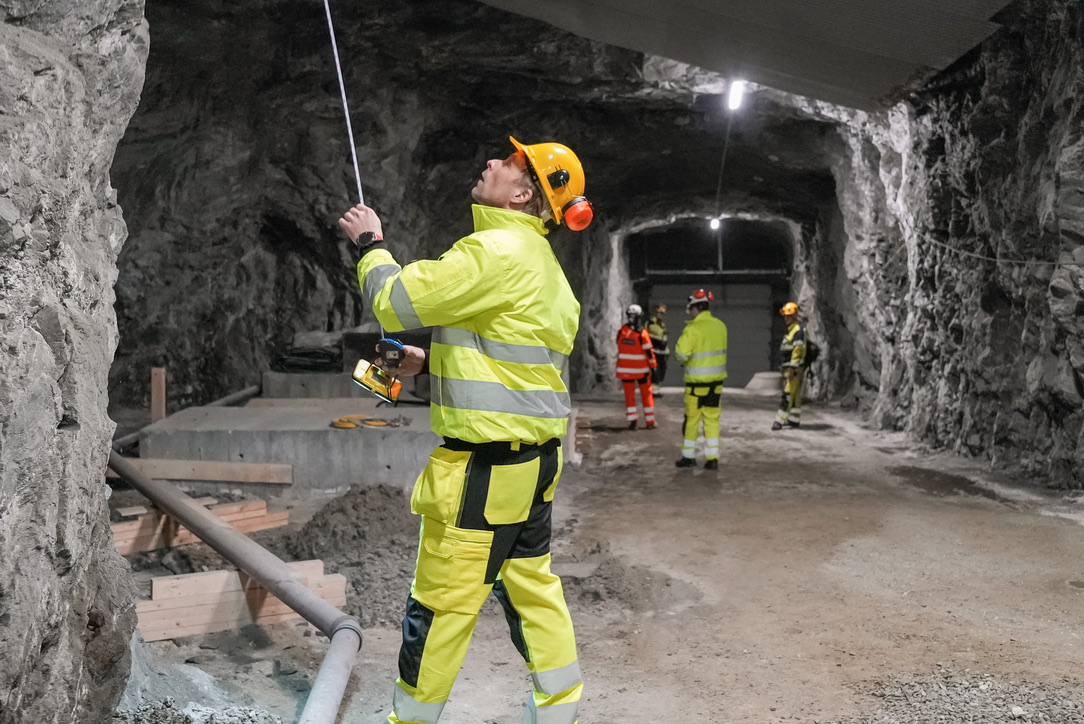
Tunnels and hydropower first.
Norway's tunnel upgrades run past 2030, and NVE sees room to upgrade and expand existing hydropower plants. New equipment has to fit into spaces built for something else. That creates the difficult removals we are developing Rockslice for.
Sources: Norwegian tunnel upgrade plans, NVE.
- FirstTunnels and hydropowerOpenings, room for equipment and shaft work.
- To assessUtility crossings and concrete rehabilitationRelated jobs that use the same cut.
- AmbitionReuse what comes outA piece cut out whole could be used again. Not yet a result.
Our aim: to rebuild the world from what already exists.
Where we start
A piece cut out whole could be used again.
When you cut instead of break, the piece can come out whole. Rock or concrete could then be used again, so the project hauls away less and buys less new. We start by proving the cut. Reuse is the aim that comes after.
Who we are
It started with a garage on a rock site in Bergen.
A small amount of rock had to go, but everything around it made the job hard. A game of Minecraft with the kids sparked the idea that became Rockslice.
Meet the team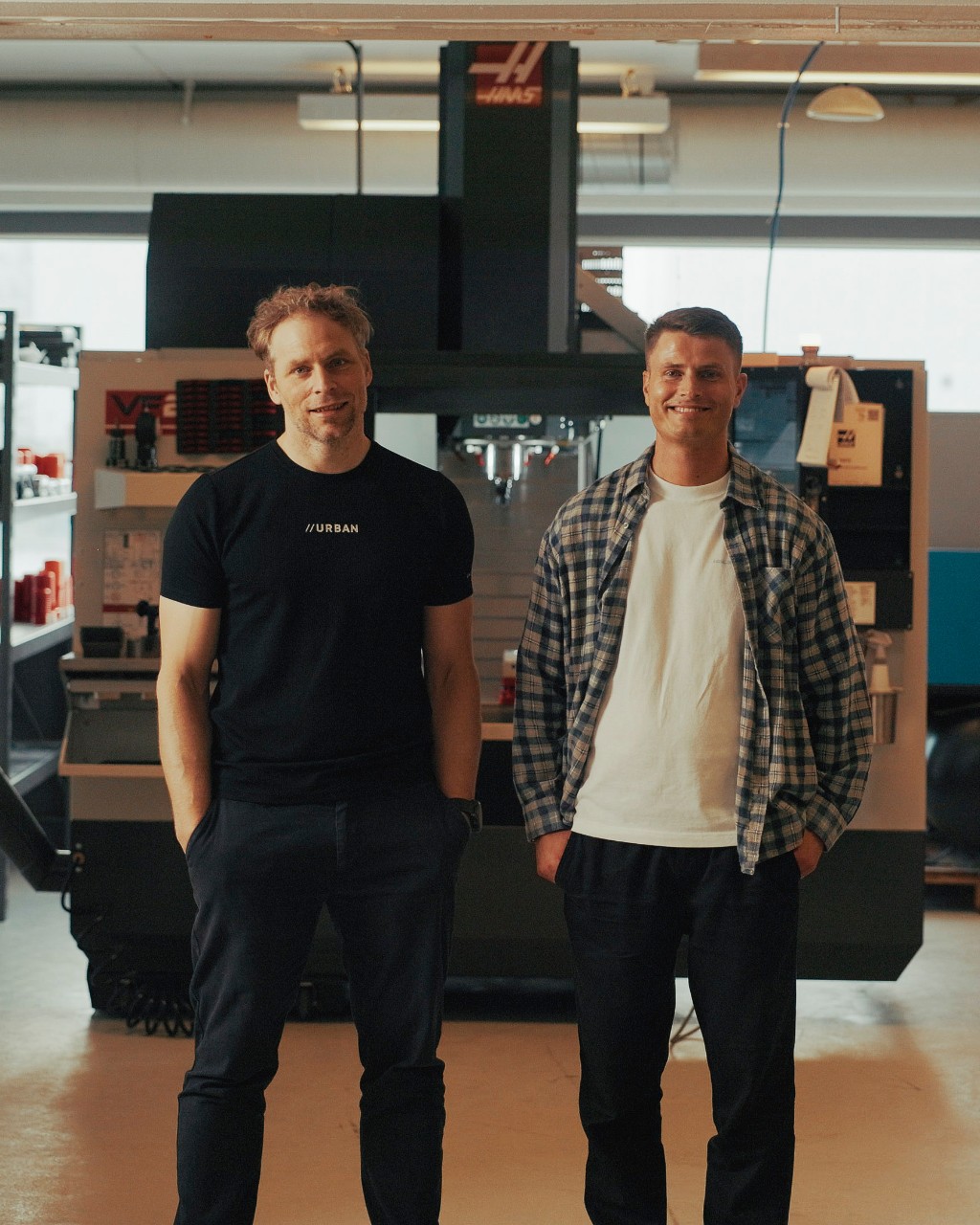
Backed by
In the news
- TV 2Norwegians could solve Europe's biggest waste problem(opens in a new tab)
- ShifterRockslice awarded up to NOK 6.6 million in grants27 Jan 2026(opens in a new tab)
- ShifterRobotics talent from California to Bergen8 Jan 2026(opens in a new tab)
- SpareBank 1 Sør-NorgeFrom Minecraft to reality(opens in a new tab)
Your project
What needs to go?What needs to stay?
Tell us about a job where something must be removed in a tight space. We are looking for the first jobs to test on.